
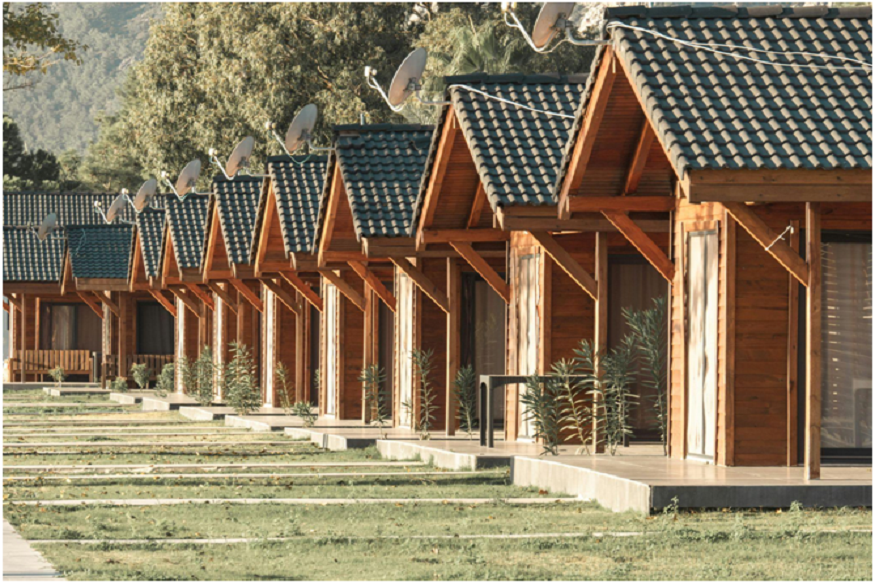
Tourism property can be a powerful long-term asset. It offers lifestyle appeal, strong earning potential, and the ability to grow in value over time. But not all investments hold up. Markets shift. Trends change. And what worked today may not work in five or ten years.
That’s why smart investors are thinking beyond short-term gains. They are focusing on future-proof tourism property investment—building assets that stay relevant, resilient, and profitable no matter how the market evolves. By looking ahead, you aren’t just buying real estate; you are building a business that can weather the storm.
So, what does it really take to get it right?
What Does ‘Future-Proofing’ a Tourism Property Mean?
Future-proofing is about making decisions today that protect and enhance your investment tomorrow. It’s not just about buying in a popular location or building something attractive. It’s about creating a property that can adapt.
Read More: Explore Homes for Sale in Lowell, Grafton, and Taunton
In the world of tourism property investment in Australia, this means thinking carefully about design, demand, and long-term usability. A future-ready property is flexible. It can respond to shifts in traveller preferences, economic cycles, and even environmental changes.
It also means building with purpose. Investors who focus only on quick returns often overlook important details—like operational efficiency, guest experience, or sustainability. Over time, those gaps can limit growth and lead to expensive retrofitting. Future-proofing, on the other hand, is about balance. It blends profitability with practicality, and short-term income with long-term capital value.
Choose the Right Location with Long-Term Demand
Location has always been a key driver of success. But today, it’s not just about current popularity—it’s about longevity and infrastructure. Strong investments are often found in high-demand tourist destinations with consistent visitor flow. Coastal regions, lifestyle hubs, and areas with year-round appeal tend to perform better over time. They are less vulnerable to seasonal dips and sudden market shifts.
The Gold Coast is a perfect example. With its mix of world-class beaches, a lush hinterland, and evolving entertainment options, it attracts a diverse mix of domestic and international visitors. This diversity supports a steady tourism market, making it ideal for long-term investment.
However, choosing the right spot goes deeper than surface appeal. Consider the “future map” of the area. Is there a new light rail extension planned? Are there upgrades to nearby airports or major attractions? These factors can significantly impact future value. Investors exploring opportunities in Gold Coast tourism property development should also look at emerging pockets—areas that may not yet be saturated but show strong growth potential due to shifting urban boundaries.
Timing matters. But so does foresight.
Understand Zoning and Planning Regulations Early
One of the most overlooked aspects of tourism investment is the regulatory landscape. Yet, it is perhaps the most critical for future security. Before purchasing land or property, it’s essential to understand local regulations—especially when it comes to zoning for tourism property. Not all land is approved for short-term accommodation or commercial use, and changing zoning later can be a complex, multi-year process that drains your capital.
This is where early-stage tourism property planning becomes invaluable. Knowing what is permitted, what is restricted, and what may be possible under future local area plans helps avoid catastrophic mistakes.
For example, if you are considering starting a tourist cabin accommodation in the Gold Coast, it’s important to ensure the land supports that type of development. Factors like density limits, bushfire management plans, and environmental overlays all come into play.
Similarly, those looking at building a bed and breakfast need to consider parking requirements, guest capacity, and local council guidelines. These details may seem small during the “vision” phase, but they can shape the entire project’s feasibility. Planning is not just about compliance; it’s about setting a legal foundation that protects your asset from future policy shifts.
Design for Flexibility: The Rise of the ‘Workation’
Traveller preferences are evolving quickly. Today’s guests are looking for more than just a place to stay. They want experiences. Comfort. Connection. In 2026, the “workation” (work + vacation) isn’t just a buzzword; it’s a requirement. A property that includes a dedicated, high-speed Wi-Fi-enabled workspace alongside a luxury bedroom isn’t just a holiday rental—it’s a versatile asset that stays booked on Tuesday afternoons, not just Saturday nights.
Read More: Guide to Secure the Best Deal on Villas for Sale in Nad Al Sheba
A future-proof property reflects this shift toward hybrid living. Flexible design is key. Spaces that can serve multiple purposes—like shared living areas that can be partitioned or modular layouts—offer more value. They allow you to adjust your offering as demand changes without needing a full renovation.
Technology also plays a role. Contactless check-ins, smart energy systems, and high-tier connectivity are now standard expectations. Properties that fail to keep up risk becoming obsolete in a marketplace dominated by tech-savvy travellers. At the same time, simplicity matters. Clean design, functional layouts, and low-maintenance materials can reduce ongoing costs while improving guest satisfaction. It’s not about overbuilding; it’s about building smart.
Focus on Sustainability and Long-Term Efficiency
Sustainability is no longer a niche concept; it’s a major driver of both demand and financial performance. Modern travellers are increasingly choosing eco-conscious accommodation that aligns with their values. At the same time, sustainable features can drastically reduce your operating costs.
Simple steps can make a big difference. Solar power, water-saving systems, natural ventilation, and energy-efficient appliances all contribute to lower monthly expenses. In today’s market, properties with high-efficiency certifications often qualify for preferential lending rates or “green” investment portfolios, making the asset more attractive for eventual resale.
Environmental resilience is just as important. Properties designed to withstand climate conditions—whether that’s extreme heat, intense storms, or coastal exposure—are more likely to hold their value over time. In many ways, sustainability supports both sides of the investment equation: it boosts income through appeal and ensures durability through design.
Build Multiple Income Streams
Relying on a single income source can limit your returns and leave you vulnerable. That’s why many successful investors are exploring ways to diversify within their property. Tourism assets are uniquely suited to this approach.
Beyond nightly accommodation, there are opportunities to generate passive income from tourist properties through added services. This could include:
- Wellness Offerings: Converting a small space into a sauna or yoga deck.
- Event Hosting: Utilising common areas for small workshops or micro-weddings.
- Strategic Partnerships: Working with local tour operators or equipment hire companies for a referral fee.
The goal is to increase the total value of each guest stay rather than just chasing higher occupancy. This strategy also helps buffer against market fluctuations; when the accommodation market slows, your ancillary services can help maintain the property’s performance.
Think Long-Term, Act Strategically
Every investment decision you make today shapes the future of your asset. From location and design to planning and operations, each element plays a role in long-term success. Strong real estate investment for the future is not driven by fleeting trends alone. It is built on careful research, strategic thinking, and a clear understanding of where the market is headed.
Tourism property offers incredible opportunities for wealth creation and lifestyle benefits, but it requires a thoughtful, professional approach.
Looking Ahead
The tourism landscape will continue to evolve. New destinations will emerge, technology will advance, and guest expectations will grow more sophisticated. However, one thing remains constant: well-planned, adaptable properties will always outperform reactive ones.
Future-proofing is not about predicting every change; it’s about building an asset that is ready for whatever comes next. By focusing on smart location choices, rigorous planning, and flexible, sustainable design, you can build a tourism asset that stands the test of time—delivering both immediate returns and lasting legacy.


More Stories
What Should Landlords Look for in an Ilford Letting Agent?
Latest regulations for estate agents reshape property sales
Explore Homes for Sale in Lowell, Grafton, and Taunton