
Replacing a driveway or patio is one of those vast home improvement projects that people do not often take on. It’s more than choosing some pavers or the pattern of your stamped concrete; you’ve got demolition, waste, various construction phases, and it’s not short on cost – especially if you don’t plan ahead.
The downside, however, is that most people only think about the end result. They spend an eternity on Pinterest and pick paint colors but gloss over the rest of the process. And then the demo day comes, and they don’t realize that their front yard is going to be filled with broken concrete.
Understanding The Reason For Replacement
Cracks in the driveway causing trip hazards are different from a slightly faded driveway. Sunken surfaces can indicate areas where water pools and there’s acore issue that needs to be fixed prior to material installation.
Your driveway may be in such bad condition that patching it is no longer an option. When you have many cracks or spalling of the surface or pieces breaking off, the associated costs of repairs equal or exceed those of replacing it in its entirety. This applies to patios as well; driveways being heaved by tree roots and patios not installed with proper drainage have issues that could exacerbate with time.
The condition at the time of replacement will dictate the nature of the demolition and what base work will need to be done. If a driveway looks good but aesthetically faded, little prep work will need to be done. If it’s lopsided and layered with ten years of wear and tear, it will need more work.
Understanding the Demolition Process
This is where the rubber meets the road. Breaking up and removing concrete is not a quiet afternoon in the suburbs. There are jackhammers involved. There are issues with dust. The amount of debris created always shocks people.
One old driveway equals several tons of broken concrete – and not a truck bed’s worth. It requires concrete waste removal – a dumpster situation on day one – but most people think they can get it all into their truck and dump over the weekend. The reality is that it doesn’t work like that; it needs serious preparation for removal.
It takes longer than expected to physically remove it, too. Concrete does not break into manageable chunks; sometimes the ground holds it so well that it takes multiple hits to lift even one side. Even buried metal wire and concrete reinforcement hold up the process, requiring cutting and separation from the concrete.
Furthermore, weather plays an issue. It’s miserable to do demo in hot sun, and while cold temperatures make it denser, it’s easier to chip when it’s cold, too. Rain makes mud and delays everything while subsequently making cleanup more challenging.
A Good Base is More Important Than You Think
The foundation work means everything. It doesn’t look pretty but determines whether your driveway/patio lasts5 or 25 years.
There needs to be proper grading to direct water away from a structure. If an old patio slopes toward a house, it could mean disaster down the line if it floods. Excavation may need to go deeper than what was originally installed either due to material deterioration or a need for superior drainage.
There needs to be compaction – but it’s easy to avoid. Material needs to be added in layers and properly compacted each time – otherwise settling occurs, leading to cracks down the line. A patio typically requires 3-4 inches of crushed stone as the base; potentially even sand on top depending on what’s being laid down.
There are utilities involved with this space as well; sprinklers, lighting systems, gas lines for grills/fire pits need to be flagged, potentially moved or worked around.
Material Choices and How They Impact Construction
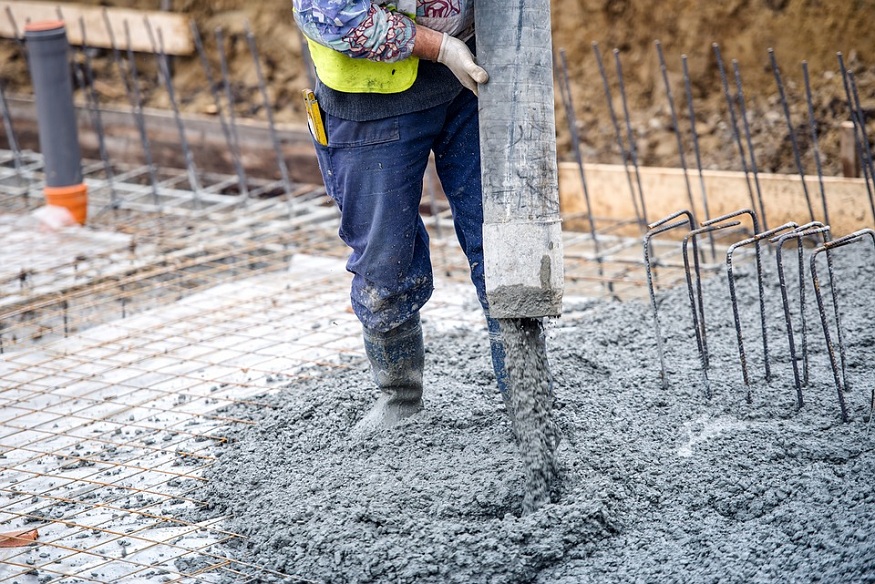
What you choose impacts timelines, cost, and how long installation will take. Poured concrete, for instance, can be done much more quickly than pavers – but if there’s maintenance in ten years that needs to happen for underground plumbing lines without a means of getting there via poured concrete, that may not be worth it in the long run.
Pavers are more costly up front but can be treated if one section needs adjustment without affecting everything else. Then again, stamped/decorative concrete looks nice but does not fade as nicely as uniform concrete; one can see cracks more easily via certain patterns as well as uneven colorization depending on sunlight exposure.
Pavers maintain their aesthetics longerbut need joint sand replacement occasionally as well as weeding in between seams. Natural stone offers a unique option, comes at a premium but can take longer since every stone is unique instead of uniform shapes as with pavers – with uneven shapes needing cutting and fitting rather than a simple style.
Climate also matters; freeze-thaw cycles dictate installation methods and materials versus sun exposure breaking things down faster elsewhere.
Timeline Expectations and Living With Work
This whole process can take one-to-two weeks or longer, factoring for decent weather and all goes according to plan. But keep in mind that this includes many days when nothing can be used.
There’s nowhere to park; there’s nowhere safe to walk certain parts of the property while demolition is occurring or post-installation when materials are setting (although newly laid pavers can act as a quick turnaround).
Concrete needs several days before any foot traffic (and a week for vehicles); pavers get at least some freedom quickly – but settling still takes days.
The project involves much more than just repaving an area; there are trucks/equipment staging space required as well as removal that needs space once completed. Landscaping for natural edges often takes a dive that needs addressing only when the major portion completes its process.
Noise/disruption are invasive. Jackhammers at 8 AM wake up whole neighborhoods. Concrete trucks need space to drive up and deliver components with their own noise – dust gets everywhere regardless of the best intentions to contain it.
Budgeting Realistically Beyond Quoted Value
Quoted prices get you materials/labor, but what they don’t include is anything else along the way. Permitting might be necessary; utility companies need to flag all valves before digging commences.
If you’re ripping out and realize something else went downhill – poor drainage, busted base – it requires immediate attention – but at what cost? Tree roots might need to be cut; pipes may not have been obvious till you start digging further down; if it needs resuming elsewhere than anticipated – unexpected costs add up.
Lateral landscaping repair is rarely included in quotations initially. Grass may need reseeding along edges; flower beds may need rebuilding and lifted higher or lower depending on height differences created by new material.
Equipment rental/delivery fees for dumpsters can exceed $100-200 – some charge you additional while others include it in their pricing – ideal to clarify ahead of time who pays for what regarding debris disposal before potential financial surprises appear later on.
Making It All Go Smoothly
Communication pre-work gets most things done without a hitch. Understand how many days it’ll take, how they’ll handle debris removal and how they’ll prepare for the base installation – and if anything unexpected arises along the way.
Get everything in writing – if they say they’ll use one material versus another – and don’t have it stipulated in a contract – they may have good intentions but aren’t obligated to stick with your word – no matter how honest they may otherwise be.
Prepare ahead of time; if you’ve got planters and outdoor furniture in the way – move them beforehand. Create access points so trucks can get through your property without damaging gravel areas nearby.
The finished product will add incredible appeal to your outdoor space and greatly improve curb appeal – as long as you prepare ahead of time. It’s easy for people to gloss over more practical matters until they’re in it – so it’s best to consider all factors beforehand from the very start!


More Stories
Choosing the Right Denver Concrete Contractors: Your Guide to Quality Construction
The Importance of Understanding Retaining Wall Construction
5 Benefits Of Conveyor Belt Products