
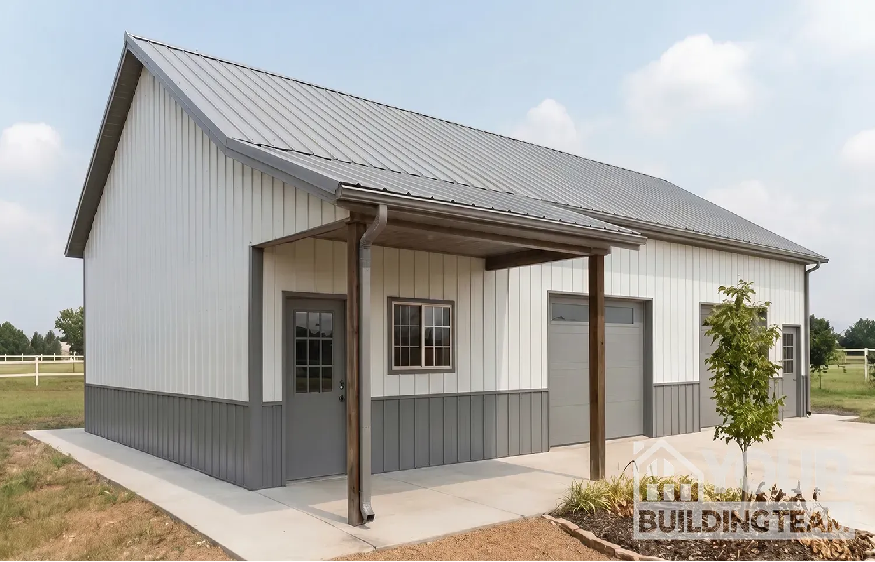
In the evolving landscape of agriculture, ensuring the health and safety of livestock is a paramount concern for farmers across Canada. As diseases and infections pose increasing threats to livestock, biosecurity has gained unprecedented importance. One of the foundational aspects of a robust biosecurity strategy is the choice of building materials. This article explores why steel, particularly through the use of agricultural steel buildings, is the safest option for promoting livestock health.
Understanding Biosecurity in Livestock Management
Biosecurity refers to the procedures and measures implemented to protect against the introduction and spread of harmful organisms, such as bacteria, viruses, and fungi, which can cause diseases within livestock populations. Implementing effective biosecurity measures is essential for maintaining animal welfare, ensuring the safety of livestock products, and protecting the livelihood of farmers.
The Canadian Food Inspection Agency (CFIA) serves as a pivotal entity in enforcing biosecurity standards across the country. Their guidelines stress the importance of constructing facilities that minimize the risk of pathogen transmission. Choosing the right building materials is crucial to adhere to these guidelines and secure the overall biosecurity of livestock environments.
Read More: A Homeowner’s Guide to Noise Reduction and Placement for Outdoor Equipment
The Inevitability of Disease in Livestock and the Role of Building Materials
Livestock are constantly exposed to potential disease vectors, whether through their interactions with other animals, humans, or the environment. Contaminated building materials can act as vehicles for diseases, undermining any biosecurity measures that farms have in place. Hence, materials used in constructing animal housing and related facilities must be resistant to harboring pathogens and conducive to thorough cleaning and maintenance.
Why Steel is the Safest Bet
Durability and Hygiene
Steel is renowned for its incredible durability, resisting wear and tear over long periods. But beyond its strength, steel’s smooth surface does not absorb moisture or organic matter, unlike porous materials such as wood. This makes it much easier to clean and disinfect, a crucial advantage in preventing the buildup of harmful microbes.
Resistance to Pests and Rodents
One significant advantage of using steel in agricultural settings is its natural resistance to pests and rodents. Unlike other building materials that can be gnawed through or compromised by pests, steel structures remain secure from infestations that might otherwise bring diseases into a livestock facility.
Corrosion and Decay Resistance
Environmental factors can often lead to the deterioration of traditional building materials. Steel, however, boasts excellent resistance to corrosion, especially when treated with protective coatings. This resilience ensures that the structural integrity remains uncompromised over time, safeguarding the health of the livestock within.
Economic Efficiency and Environmental Considerations
Cost-effectiveness
While initial investments in steel structures may seem higher compared to traditional materials, the long-term economic benefits are significant. The longevity and low maintenance requirements of agricultural steel buildings result in reduced repair costs and higher returns on investment over time.
Sustainability
From an environmental perspective, choosing steel aligns with sustainable building practices. Steel is one of the most recycled materials globally, and its reusability reduces the carbon footprint associated with construction. This sustainable approach not only benefits the environment but also aligns with the increasing push for eco-friendly farming practices across Canada.
The Adaptability of Steel Structures
Customizable Designs
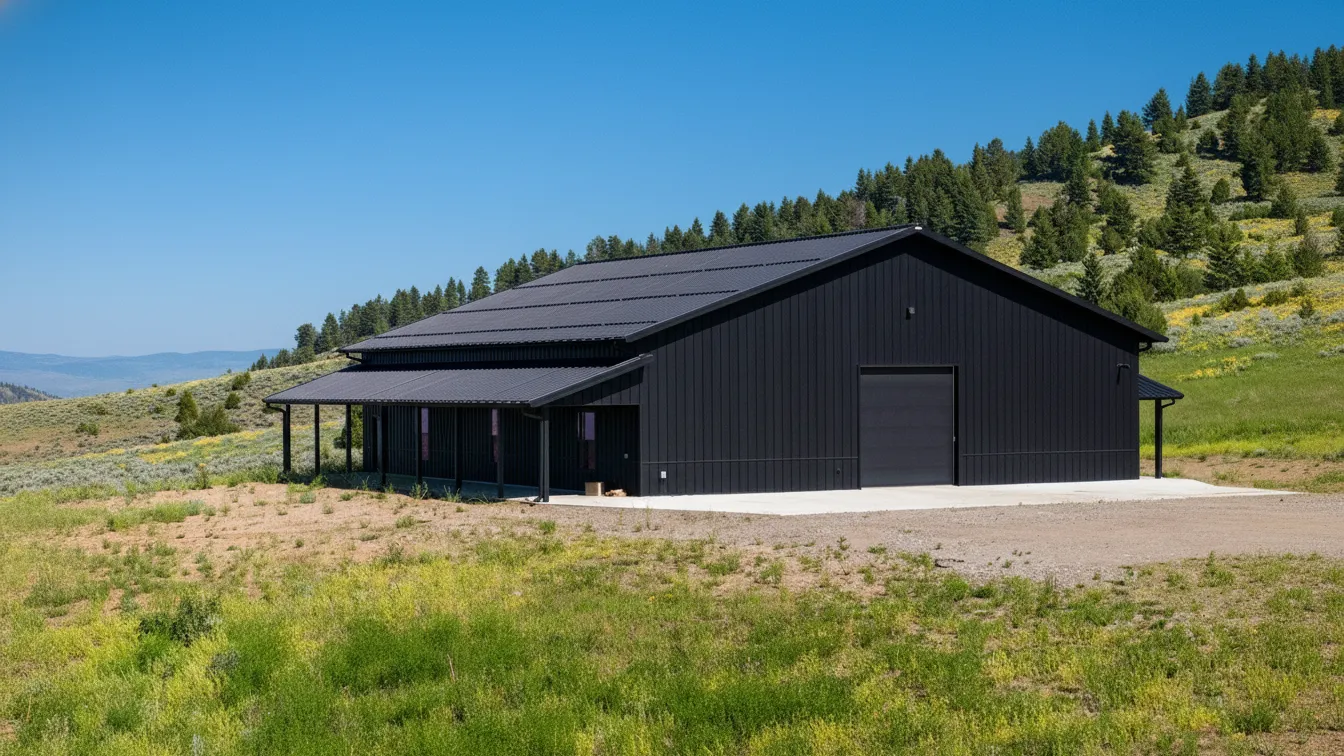
Modern steel buildings offer unparalleled flexibility in terms of design and purpose. Farmers can customize the layout to suit their specific operational needs, whether it’s for housing dairy cows, poultry, or swine. This adaptability also extends to biosecurity measures, allowing the incorporation of features like ventilation systems that further prevent disease spread.
Read More: How to Design a Stylish Home That Supports Lifelong Living
Quick and Efficient Construction
One of the key advantages of steel buildings is the speed and efficiency of construction. Prefabricated components allow for quicker assembly, reducing downtime and allowing farmers to implement or enhance their biosecurity protocols swiftly.
A Future-Informed Choice
In the context of modern agriculture, where maintaining optimal livestock health is intertwined with economic success, investing in reliable building materials is crucial. Steel stands out as the superior choice, primarily for its biosecurity advantages, economic benefits, and adaptability. As the agricultural sector continues to evolve, further embracing technological and material advancements, using steel in constructing livestock facilities will undoubtedly prove to be a future-informed, strategic decision.



More Stories
The Complete Guide to Restoring and Modernizing a Heritage Home
Planning a Driveway or Patio Replacement? What to Expect From Start to Finish
Choosing the Right Denver Concrete Contractors: Your Guide to Quality Construction