
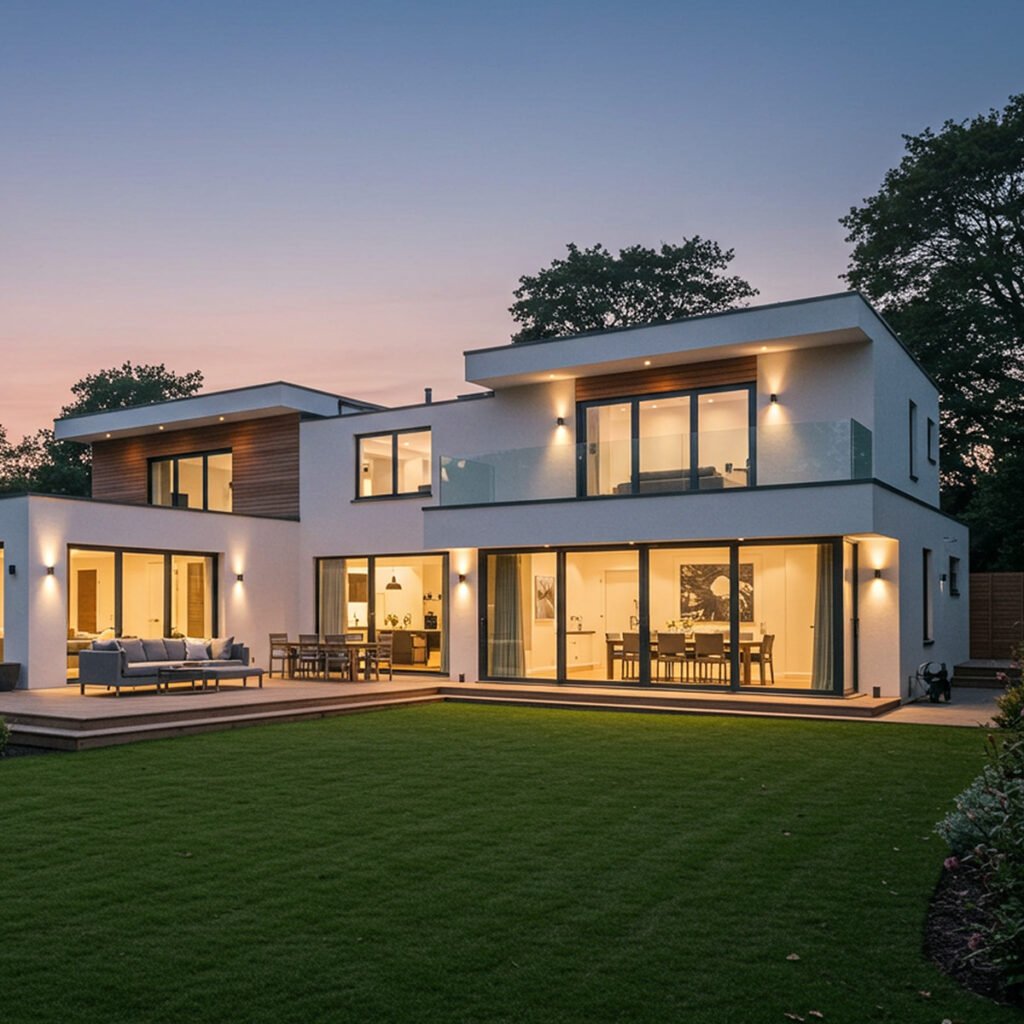
Heritage homes in Sydney’s Inner West come with a built-in contradiction: councils want them to look the way they did in 1910, and owners want them to feel like it’s not 1910 anymore. Windows and doors sit right at the centre of that tension. Get them wrong and you’ll either freeze through winter in an authentic-looking house or get a council order to rip out your new double-glazed units because nobody checked the heritage overlay first.
This guide walks through the process in the order it actually needs to happen – not the order most renovation blogs present it in.
Work out what kind of heritage status you’re dealing with
Not all heritage protection is the same. And knowing the difference will make or break your renovation budget and timeline.
A property can be individually heritage-listed, meaning there are features of the building protected by law, and external change needs formal approval. Or it can sit within a heritage conservation area, which has looser but still very real rules – councils care about the collective look of the street, not just your one facade. A lot of Inner West homeowners assume they’re in the clear because their house isn’t “heritage listed” in the strict sense, then discover their whole street is a conservation area with its design controls.
Check your council’s heritage register or planning portal before you order a single window. This takes an afternoon and saves months of grief later. If your property does have a heritage listing, ask whether a Conservation Management Plan exists for it (some do, especially the larger or architecturally more significant homes) and it will tell you exactly what’s protected and what’s flexible.
Talk to a heritage officer before you talk to a builder
This is the step many people tend to ignore, but it is the one that leads to the most costly mistakes.
Council heritage officers are not there to prevent you from renovating. Most would rather assist you in getting it right the first time than decline a Development Application and force you to start over. If your council offers one, schedule a pre-application meeting. Show them some photos, some sketches, whatever you’ve got. And simply ask what specific materials, profiles, and finishes they would approve for window and door work.
Read More: How to Modernize an Older Character Home Without Losing Its Original Charm
A DA is necessary for most external modifications to a heritage-listed property, and often for conservation-area properties as well, depending on whether they are visible from the street. And yet, time and again, this is the step that people sideline, in which they decide the risk is worth it because it’s “minor” work. Then they get slapped with fines and compliance orders anyway. It’s painful and unnecessary. It’s also a waste of everyone’s time and money.
Why windows and doors are the highest-leverage upgrade you can make
If you have a limited budget and you’re wondering what part of your renovation should you spend it on, let it be windows and doors Inner West. Windows and doors are almost always a root cause of every problem a heritage house has. Need to stay warmer in winter and cooler in summer? Windows and doors. Want to reduce the noise from your busy street? Windows and doors. Insurer threatening to not pay out in the event of a break-in because your doors aren’t up to standard? Old sash windows with worn latches? Windows and doors, again.
According to the Australian Government’s Your Home website, up to 40% of a home’s heating energy can be lost through windows – which makes them the single biggest lever for improving comfort and running costs in an older property. No amount of ceiling insulation fixes a house if the sash windows are rattling in their frames and letting draughts straight through the gaps.
Restore or replace: the decision that actually matters
This is the stage most homeowners get overwhelmed and the area worth taking your time on. Original timber sash windows are usually in far better condition than they’d first lead you to believe. Sticking sashes, broken cords, and failed weatherstripping are all able to be fixed without touching the frame itself. A joiner can rehang the sashes, replace the cords and weights, fit new draught seals, and have the window working like a new one while keeping every bit of its original character – including leadlight glass, which should always be kept or carefully replicated rather than swapped over for plain float glass.
Replacement only makes sense when the timber itself is no longer sound. Rot, termite damage, and warping that’s gone too far to plane back are the culprits. In that case custom joinery built to match the original profiles and sightlines is the way. Councils generally want replica windows that are close enough in proportion and detail that nobody walking past would know they’re new. This is a totally standard process and not a compromise – it just needs to be done with the right joiner and right paperwork.
Retrofitting double glazing without losing the facade
You no longer need to compromise thermal performance for the precision of heritage replica windows and doors.
Double glazing can be retrofitted in many cases to existing timber frames. Slimline, heritage-appropriate glazing units sit within the original sash and do not change its thickness or street appearance. If you’re engaging in full replacement anyway, specify custom replica windows and doors with double glazing built in and added from the get go. The immediate benefit is impossible not to notice: less noise, cold transfer through the glass and uncomfortable heat transfer, to name a few.
This is also usually where the Building Code of Australia’s energy efficiency and safety glass requirements come into play, particularly for larger openings or doors near ground level. A good joiner will know these requirements without you having to chase them down.
Don’t skip draft-proofing to jump straight to replacement
Before you invest a fortune in new windows, invest a little in making your current windows more airtight.
Draft-proofing and weather sealing are the simplest, cheapest way to improve comfort in an old building. Those hairline gaps around your sash windows and under doors are letting in far more cold air than you think, and a well-sealed room can be achieved almost instantly after a little putty work. This clearly won’t postpone the inevitable of new windows if your timber windows are truly past their best, but if they are still structurally good and just draughty, this is the first port of call. It also prevents you making any hasty replacement decisions because you are fed up with being cold or listening to rattling glass.
Material choice is a compliance issue, not just a style preference
What you can and can’t install can be really confusing. If a property’s heritage listed, then generally joinery needs to be timber and match the original, full stop. Conservation areas give a little more flexibility. Timber-look aluminium or UPVC frames are sometimes approved in these areas, especially on less visible elevations, but (and you’ll be noticing a pattern here), you need to get full council approval first. Both Federation and Victorian homes have their own typical proportions and glazing bar patterns, and a heritage officer is going to expect any new work to respect those details and not just the approximate shape.
Budget for what you’ll find once the old windows come out
Heritage renovations have a habit of revealing problems nobody knew about. Termite damage and dry rot, shifting and movement, they’re all part of the slow, unstoppable grind of time, and the worse the damage, the more likely it is that repair and reconstruction will throw up some unforeseen complications. A sensible contingency fund – usually somewhere around 15-20% of your window and door budget – should be built in from the start rather than treated as an afterthought if things go wrong.
Choose an installer who actually knows heritage work
This is the step that determines whether everything above goes smoothly or turns into a mess.
Not every joiner or window company understands what a heritage overlay requires, and generic trade experience doesn’t automatically translate to conservation-area compliance. You want a supplier who’s dealt with council heritage officers before, who knows the difference between what a Federation home needs and what a Victorian terrace needs, and who can produce documentation that satisfies a DA without you having to chase them for it. Homeowners looking into local options are generally better served by a supplier who’s already familiar with the area’s heritage stock and the specific councils that govern it, rather than a national supplier working from a generic catalogue.
Read More: Latest regulations for estate agents reshape property sales
Ask to see examples of past heritage work before you commit. Ask how they handle DA documentation. If they can’t answer those questions clearly, keep looking.
Bringing it together
A historic house doesn’t have to be cold, draughty, and expensive to heat and cool just because it’s old. The key to updating it without a big fight with council comes down to just four steps: get your heritage status first, then talk to the heritage officer before the builder, be clear about whether you’re repairing or replacing, and finally, choose the materials and the contractors that suit what you actually need on your property.
And windows and doors are where most of that comes together – the single biggest comfort upgrade, the greatest energy savings, and the most significant street-visible improvement, all in one area of the building. Get that bit right, and the rest of the reno tends to flow around it.





2 thoughts on “The Complete Guide to Restoring and Modernizing a Heritage Home”